RC Workshop
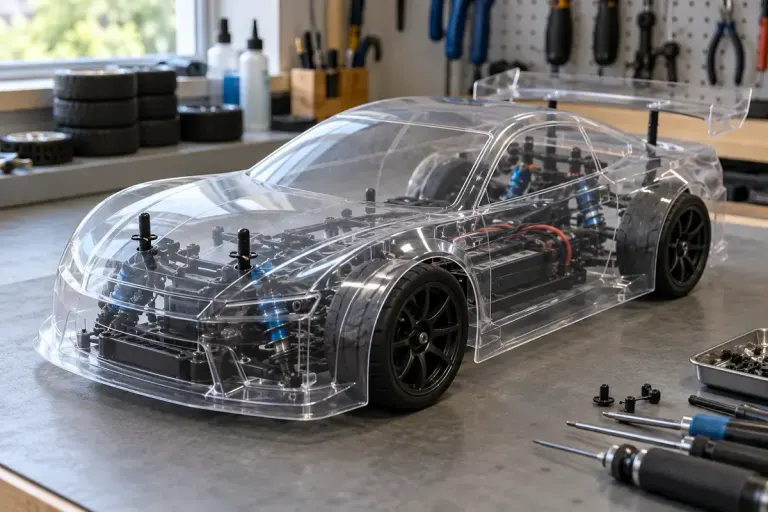
Mark the Body-Post Holes Before Painting a New RC Shell
A clear RC body makes mounting points easier to see. Check alignment and mark the holes before paint hides the chassis beneath the shell.

RC setup, maintenance and workshop habits for curious hobbyists.
A clear RC body makes mounting points easier to see. Check alignment and mark the holes before paint hides the chassis beneath the shell.

Check RC wheel hex size, offset and clearance against the exact model before assuming a matching diameter means the wheels will fit.
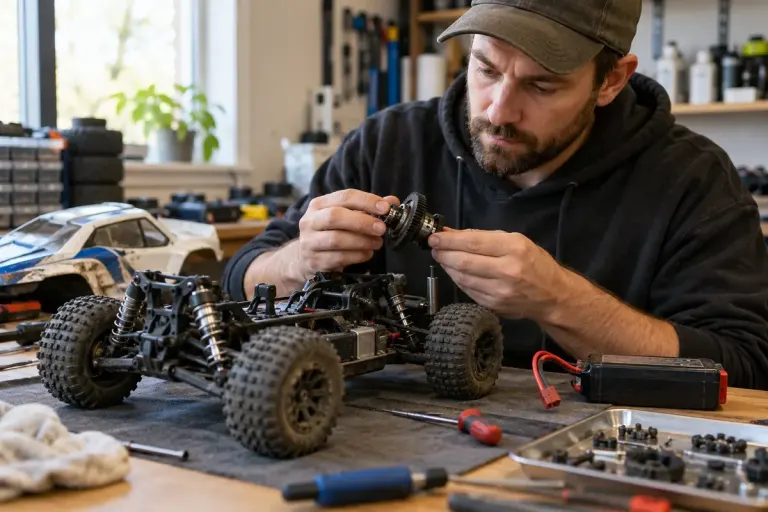
Identify your RC model’s slipper-clutch instructions, establish a documented baseline and avoid copying settings from a different drivetrain.
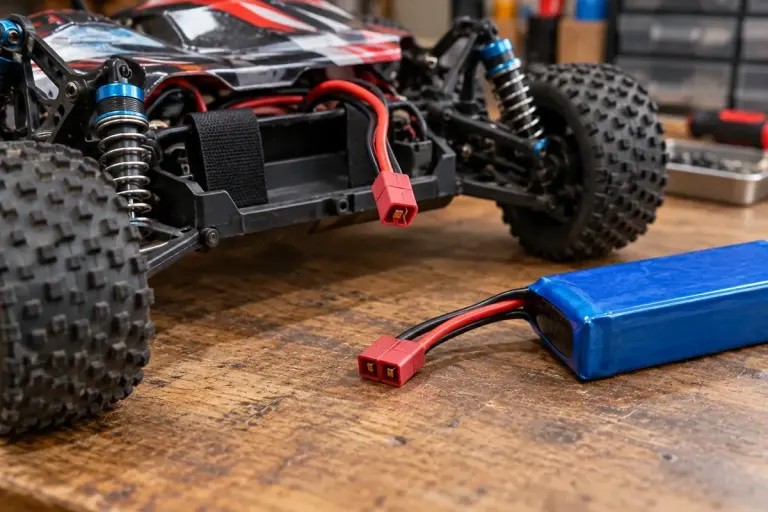
Identify the complete battery specification and connector arrangement for an RC model before ordering, rather than relying on a similar-looking plug.
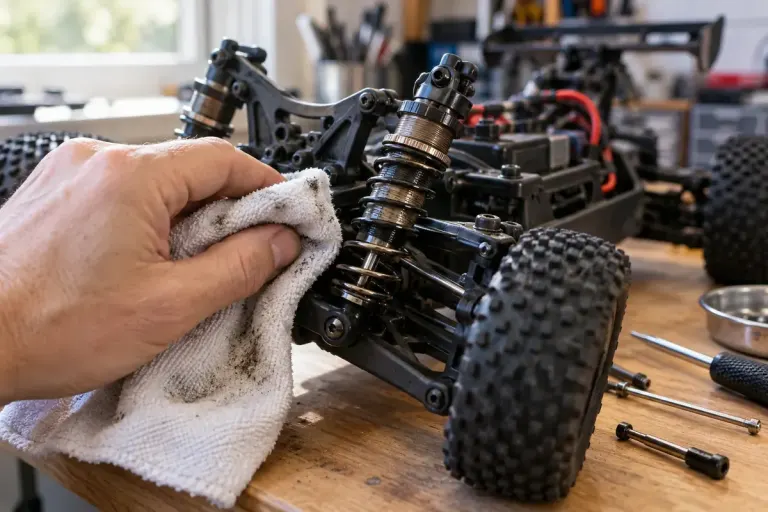
Distinguish dirt collecting on an RC shock from an active leak, record the corner affected and use the model’s service instructions before changing parts.
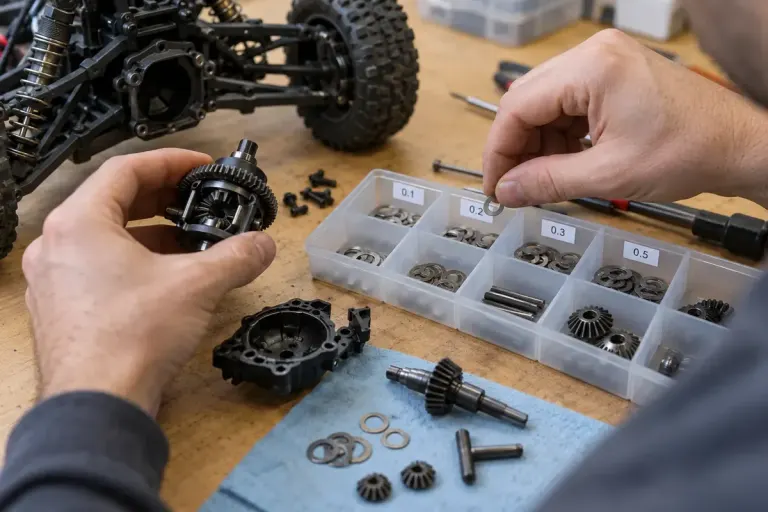
Keep small differential parts traceable during RC maintenance and use the exact model’s exploded view before deciding where a shim belongs.
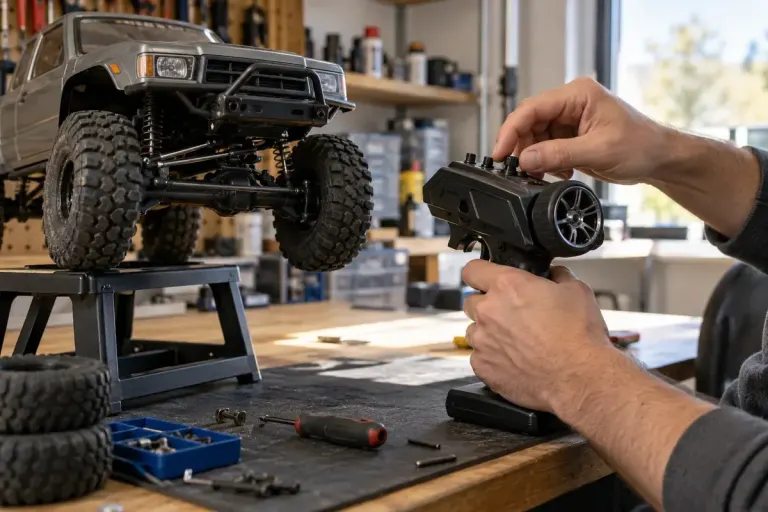
Check steering travel against your RC model’s mechanical limits, using the transmitter manual and a safe setup rather than copying another driver’s endpoint values.
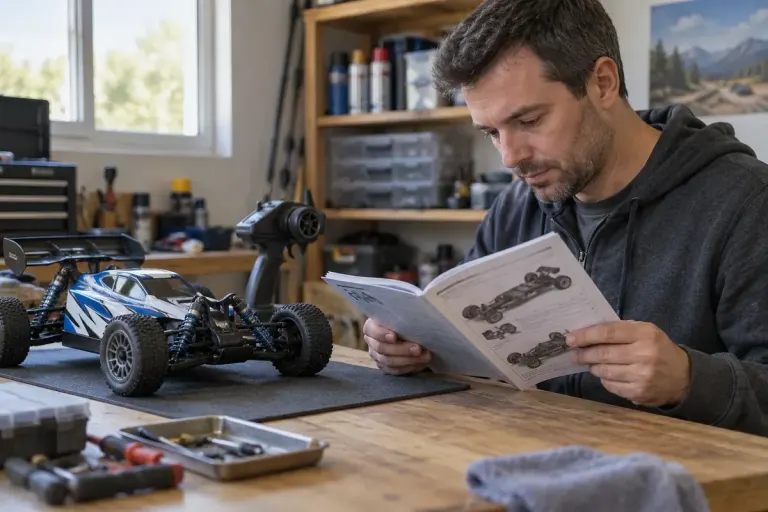
Understand the failsafe behaviour of your RC model from its manual and use the specified safe test rather than a generic internet sequence.
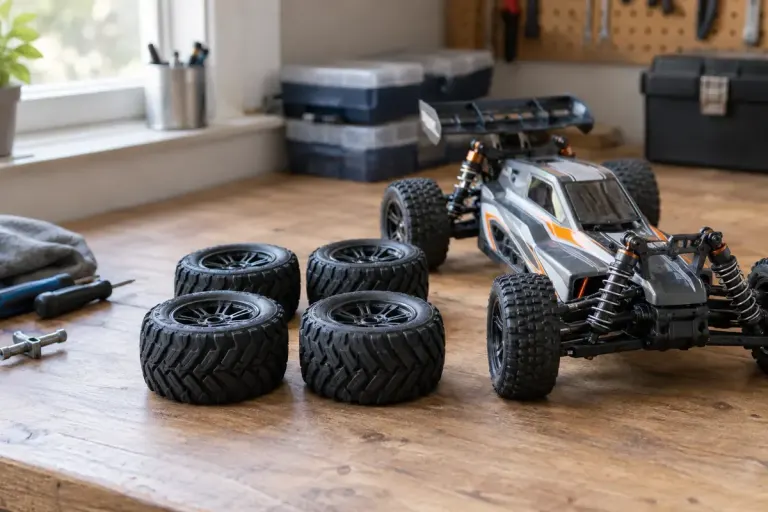
Before moving RC wheels between positions, check tyre direction markings, fit, and the model’s setup instructions rather than assuming every wheel is interchangeable.